
A Complete Guide for Families Using CollegeID.me
For high school lacrosse players, the college recruiting process can feel confusing, competitive, and at times overwhelming. The reality is that successful recruiting doesn’t start with offers—it starts with preparation.
Players who take a structured approach early in their high school career give themselves a significant advantage. By focusing on development, academics, exposure, and communication, athletes can position themselves to find the right college fit—not just any offer.
This guide breaks down how to prepare for lacrosse recruiting in a way that maximizes opportunity and long-term success.
Why Preparation Matters in Lacrosse Recruiting
College coaches evaluate far more than just highlights or stats. They’re looking for complete student-athletes who can contribute to their program on and off the field.
Preparation helps players:
- Stand out in a crowded recruiting landscape
- Communicate effectively with coaches
- Gain meaningful exposure at the right events
- Expand their list of realistic college options
Recruiting is not a one-time event—it’s a process that unfolds over several years.
Develop as a Complete Lacrosse Player
Before anything else, players must focus on improving their game.
Coaches prioritize athletes who demonstrate:
- Consistent effort and competitiveness
- Strong fundamentals with both hands
- High lacrosse IQ and decision-making
- Coachability and positive body language
Players should commit to:
- Daily stick work
- Position-specific training
- Strength and conditioning programs
- Watching and learning from high-level game film
Exposure only works if your performance supports it.
Build a Strong Academic Profile
Not every college program is the same. The best fit for a player depends on several factors beyond lacrosse.
Players should research:
- School size
- Academic programs
- Campus environment
- Geographic location
- Athletic division level
The goal is to build a list of schools that match both academic interests and athletic ability.
Many players discover that their best opportunities exist at programs they had never initially considered.
Create a Recruiting Profile and Highlight Film
College coaches evaluate thousands of players each year. A clear and concise recruiting profile helps players get on a coach’s radar.
A strong recruiting profile should include:
- Graduation year
- Position
- Height, weight, and athletic metrics
- Academic information
- Club and high school teams
- Contact information
A highlight video should be:
- 3–4 minutes long
- Clearly labeled with the player’s number
- Focused on game footage (not drills)
- Showcasing decision-making, effort, and fundamentals
Quality matters more than quantity.
Attend the Right Recruiting Events
Not all recruiting events are created equal.
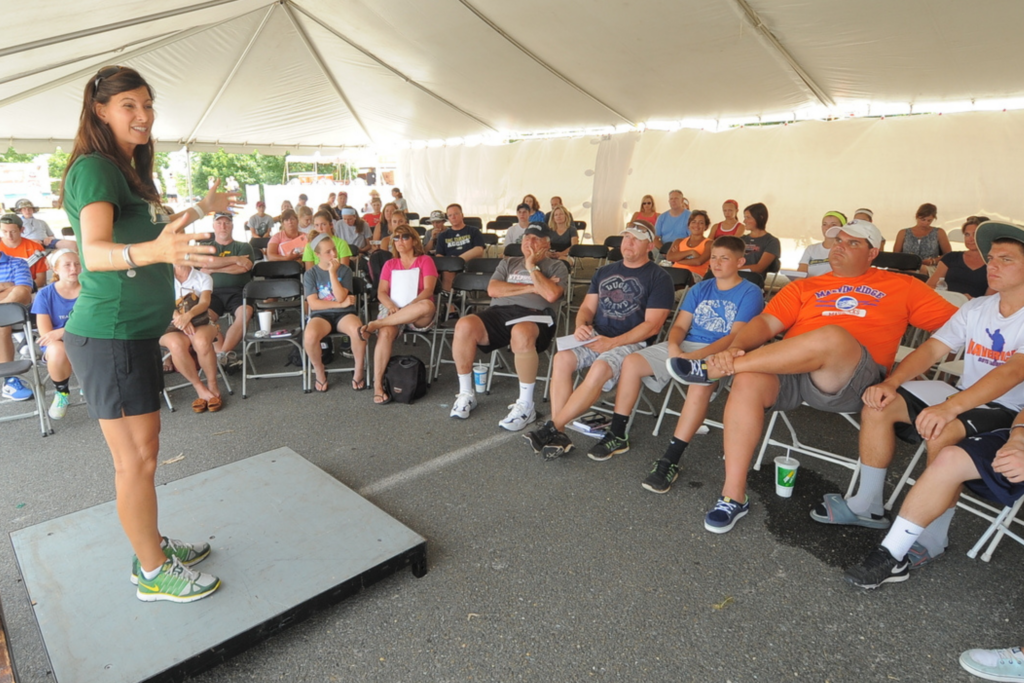
The best recruiting showcases allow players to interact directly with college coaches, not just play games in front of them.
Events that include:
- Positional drills led by college coaches
- Small group instruction
- Competitive gameplay
- Opportunities for conversation and feedback
- provide much more meaningful exposure than large tournaments, where coaches may only watch briefly.
Structured showcase environments help players demonstrate how they learn, compete, and communicate, which are qualities coaches value.
Build a Strong Academic Profile
Academics play a major role in recruiting—especially at highly selective colleges.
A strong academic record:
- Expands the number of schools that can recruit you
- Makes you more attractive to coaches
- Helps with admissions support
Players should:
- Maintain a competitive GPA
- Take appropriately challenging courses
- Prepare early for standardized testing
- Stay organized with deadlines and requirements
Coaches often recruit athletes who can “get in” academically just as much as those who can play.
Create a Target School List Early
One of the biggest mistakes players make is not researching schools until it’s too late.
Start building a list based on:
- Academic interests (majors, programs)
- School size and campus environment
- Geographic preference
- Athletic level (Division I, II, III, NAIA, etc.)
Keep an open mind—many players find their best opportunities outside of the programs they initially targeted.
Build a Strong Recruiting Profile
A digital recruiting profile is essential in today’s process.
Your profile should include:
- Graduation year, position, and physical metrics
- Academic information and GPA
- Club and high school team details
- Highlight video and game film
- Contact information
Platforms like CollegeID.me help athletes:
- Organize their recruiting information
- Share profiles directly with college coaches
- Track communication and exposure
Tip: Keep your profile updated throughout the year as you improve and gain new experience.
Create an Effective Highlight Video
Your highlight video is often your first impression with a coach.
Best practices:
- Keep it 3–4 minutes long
- Start with your strongest clips
- Clearly identify yourself in every play
- Focus on game footage (not practice drills)
- Show decision-making, effort, and versatility
Quality matters far more than quantity.
Attend the Right Recruiting Events
Not all events provide the same value.
Players should prioritize showcases and camps that:
- Offer direct interaction with college coaches
- Include positional instruction and feedback
- Provide competitive, structured gameplay
Events that combine teaching, evaluation, and exposure are far more impactful than large, unstructured tournaments.
Communicate with College Coaches
At some point, players must take initiative and begin outreach.
A strong introductory email should include:
- A brief personal introduction
- Academic information
- Graduation year and position
- Highlight video link
- Upcoming event schedule
Communication tips:
- Be concise and professional
- Personalize emails when possible
- Follow up periodically (without spamming)
Coaches notice players who show maturity and initiative.
Understand the Recruiting Timeline
Every player’s recruiting journey is different.
- Some athletes are identified early
- Many are recruited during junior and senior year
- Late bloomers often find excellent opportunities
The key is to stay consistent in development and proactive in exposure.